
by
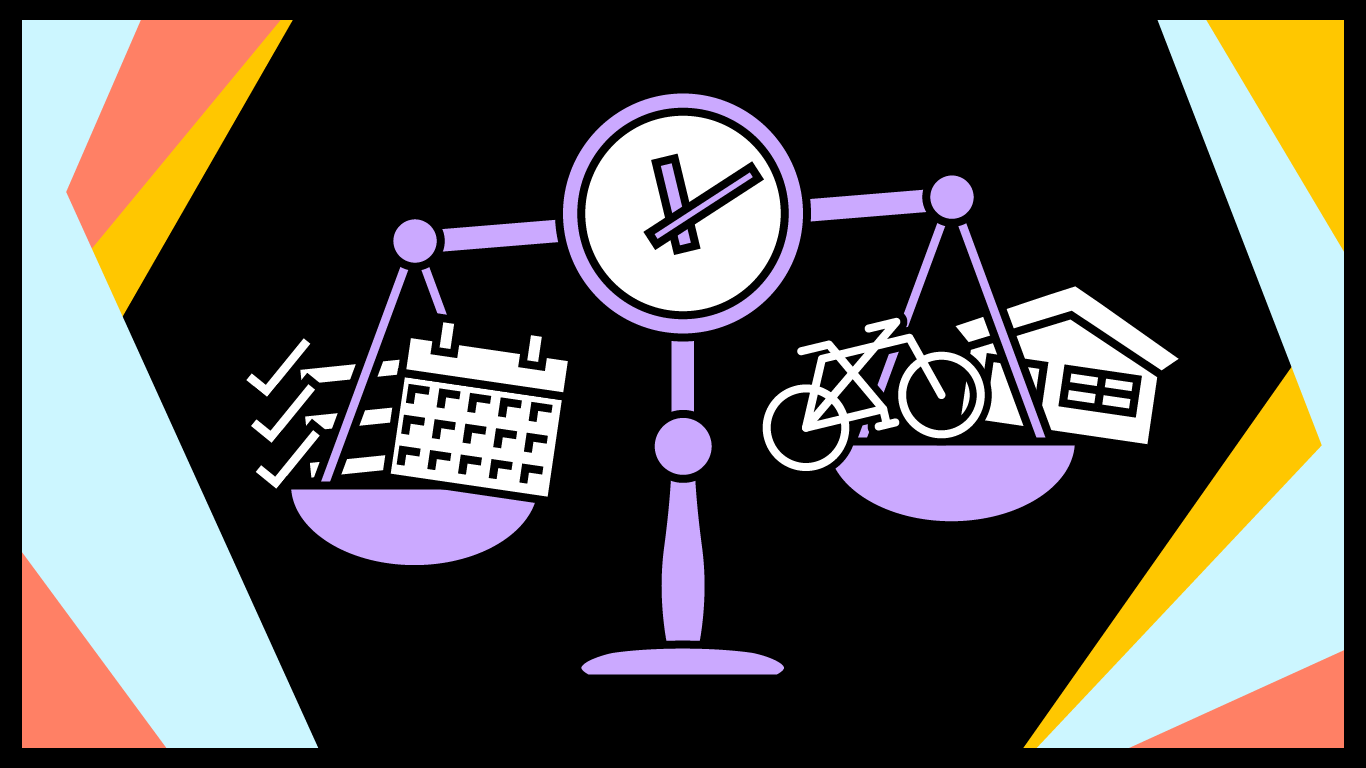
Life is a constant balancing act. I’d like to think that I can balance everything well, however, as the years go on, the scales always tip one way or the other. The hardest scale to balance in my life is between work and personal life, and it’s not just me who’s facing this problem! The nonstop demanding attention from work is something troubling workers around the globe.
Back in the day, work would end the second you clocked out. You’d go home and just be done with it all. Now, you clock out, go home, answer your email, get a call from your co-worker, or maybe you have to plan for your next shift. It just never ends because of the constant pressure to be mentally clocked into work. This leaves workers stressed at all hours because they never have a moment to relax, even when they are in the comfort of their own home.
It’s no surprise that Apple TV capitalized on this discomfort with their hit show Severance. In it, protagonist Mark Scout literally splits his subconscious so half of his mind can be dedicated to work, and the other to home life. As relieving as that sounds, I would rather not split my head open to fix my work-life balance. So, what can we do?
When it comes to the flow of work-information, there should be a better system enacted. In her analysis Leverage Points: Places to Intervene in a System, Donella Meadows writes that
“Missing feedback is one of the most common causes of system malfunction. Adding or restoring information can be a powerful intervention.”
If we want our system to function (our jobs and the balance between them and home), then there needs to be a change. As employees, the best we can do is advocate for our time in hopes that someone like Andrew Barnes will see. At his own company, Perpetual Guardian, Barnes did a test by shortening their workweek from five days to four. He found that his employees were less stressed and more productive now than prior to the change. In his reporting of this experiment in Stolen Focus: Why You Can’t Pay Attention and How to Think Deeply Again, Johann Hari states that all signs of distraction following the four-day workweek were down. Social media usage fell by 35 percent, while engagement and productivity rose by 30 and 40 percent. Stress levels also went down by 15 percent, which can be attested to by employee Russell Bridge because the four-day workweek ‘helped him to realize that the way humans are designed is to have downtime and [then] you will be more productive.’ He found that when he came back to work, he was ‘fresher’” [185].
I figure that a lot of companies are scared to cut back on work hours because they believe that more hours worked equals more work done. Contrary to that belief, employees will truly work at their best and most efficient when they have adequate rest and aren’t worried about checking their email every twenty minutes. When rested, employees not only complete the same amount of work they did in a five-day week, but even more at a better quality. To truly put ourselves in the best spot for work, we need that proper balance. We need these companies to listen to us and adjust their system. Only then can we all get what we want out of work and leave it at the workplace. A genuine severance.