
I use social media to a disastrous degree. Last week I performed a digital detox, and from my research I learned that I spend up to 2,280 minutes on social media every week. That totals to 1976 hours a year, which is 82 days! That just doesn’t sound real, does it? 82 days of a 365-day year is 22 percent of the year spent liking the posts of strangers.
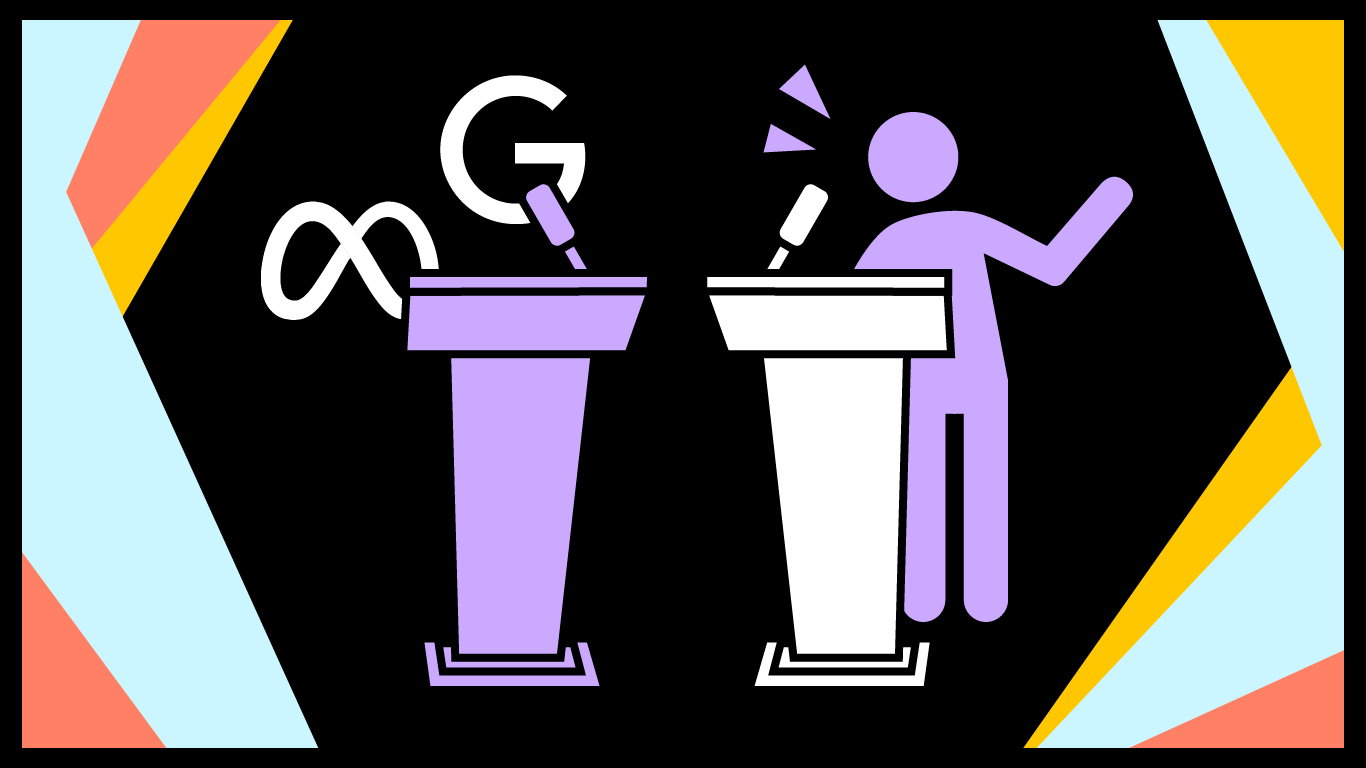
Initially, I thought to blame myself for how addicted I was to use these platforms, but there is an argument being pushed that it’s not the fault of the individual, rather, it is Big Tech who is to blame. This argument comes from tech designer Tristian Harris, who famously wrote a presentation stating that Google and other large tech companies have been intentionally getting users addicted to their platforms. Due to their current business model, there is no way for these platforms to change for an altruistic course. For example, Facebook and YouTube wish to help themselves by feeding your data to their advertisers, so they can continue to make money. The only way this can be stopped is by handing over these social media apps to the government, that way they can be run in the interest of the people. The blissful hope would be that our addictions to social media would end right then and there.
Another tech designer Nir Eyal offers a different point of view. He says that rather than blame the tech companies, we should instead focus on blaming ourselves as individuals because we each have our own autonomy.
“[The] internet is, a giant machine designed to give people what they want.”
Eyal states in his book Hooked: How to Build Habit-Forming Products.
Eyal goes on to emphasize that these companies are built to “hook you crazily”, and that’s “just how it is.” He says we should see the world for its current state and not stop progressing in the tech industry.
Throughout the decades, concerns were raised first for comic books and video games, blaming them for turning children violent. Now people are scared that social media is harming children and adults. Eyal believes that this is just another scare tactic, and we as individuals should create our own habits with social media instead of getting rid of it. These habits include:
- Using a ten-minute rule: Wait ten minutes if you feel the need to check your phone.
- Make a time-box: Outline a schedule of what you want to do each day and do not stray from it.
- Change your notification settings: Apps can’t interrupt your day if you tell them not to.
Eyal exhibits a form of cruel optimism (taking a deep-rooted problem and offering an upbeat solution) which is something Johann Hari counters in his book Stolen Focus: Why You Can’t Pay Attention and How to Think Deeply Again:
“Because [Eyal] is in a position of incredible privilege…he was able to use his own techniques to regain some sense of control. Now he thinks the solution is simply for all of us to do the same” [150].
Hari sides with Harris, stating that if we let tech corporations sell our information to advertisers, then we could be pushed to our most extreme and dangerous selves through the influence of targeted advertisements.
With both arguments laid out, which side are you on? If I’m to give my opinion, I lean more against Big Tech, because it is not reasonable to accept that we are addicted to these sites and must pivot on our own terms. Instead, we should riot for social media apps to consider our intentions and adapt. This way we can still use the apps that we’ve grown to love without becoming divided or addicted.